Our Location
Traill St, Thurso KW14 8EG, UK

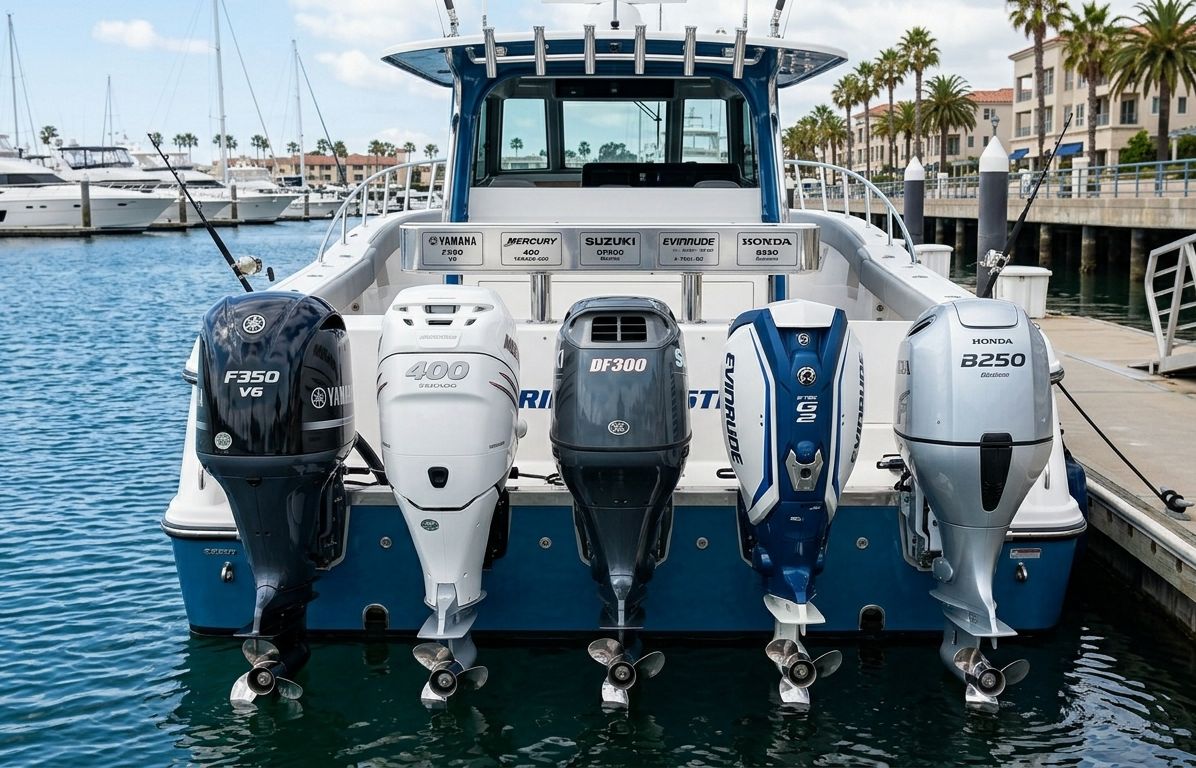
To begin with, investing in a high-performance electric outboard engine transforms your entire on-water boating experience. In addition, purchasing a battery powered outboard offers instant torque, zero direct emissions, and whisper-quiet propulsion across UK waterways. Consequently, forward-thinking vessel owners actively replace dated petrol motors with a modern electric boat motor. Therefore, this commercial buyer’s guide details critical specifications, battery capacities, and maintenance-free advantages to help you choose with confidence.
First of all, switching to an electric outboard engine dramatically lowers your long-term operational running costs. Furthermore, every battery powered outboard eliminates spark plug replacements, fuel winterisation, and messy oil changes entirely. As a result, commercial operators enjoy substantial financial savings throughout the vessel’s operational lifespan. In fact, modern electric units require minimal servicing compared to traditional combustion counterparts. Because of this reliability, harbour authorities and rental fleets now actively mandate quiet electric propulsion.
When selecting horsepower equivalents, you must evaluate both your hull displacement and intended cruising speed. For example, a compact 3kW battery powered outboard efficiently replaces a standard 6hp petrol engine on tenders and dayboats. Similarly, upgrading to a 10kW or 20kW system provides adequate thrust for heavier displacement vessels and coastal cruising. Therefore, you should always review kilowatt ratings rather than relying strictly on outdated brake horsepower metrics. Moreover, matching the correct shaft length to your transom guarantees optimal hydrodynamics and superior steering control.
Crucially, lithium iron phosphate (LiFePO4) chemistry represents the gold standard for any modern marine electric propulsion system. In addition, dedicated 48V battery banks deliver exceptional cycle durability and thermal stability in demanding marine environments. For instance, pairing high-capacity batteries with your electric outboard motor for sale ensures extended cruising range between charges. However, you must accurately calculate your daily amp-hour requirements before completing your final hardware purchase. Consequently, many boaters install supplementary solar charging arrays to extend their daily cruising autonomy sustainably.
Additionally, an industrial-grade commercial electric outboard delivers instantaneous low-end acceleration and unmatched harbour manoeuvrability. Because electric motors generate peak torque at zero RPM, skippers handle tight marina berths with effortless precision. Furthermore, silent cruising protects delicate freshwater habitats, inland canals, and environmentally sensitive coastal nature reserves. In contrast, vibrating petrol motors generate exhaust fumes that spoil tranquil marine landscapes and distress local wildlife. Thus, switching to a premium electric boat motor enhances onboard comfort for crew and passengers alike.
Before placing an order, savvy buyers inspect integrated digital displays and remaining battery range estimators. Specifically, purchasing an electric outboard motor for sale with CAN bus connectivity enables real-time GPS tracking and performance monitoring. Moreover, integrated tilt-and-trim mechanisms allow effortless navigation across shallow sandbanks and tidal estuaries. In particular, robust anti-corrosion sacrificial anodes ensure long-term saltwater protection for coastal vessels. Ultimately, high-grade marine alloys shield internal electronics from moisture ingress and abrasive sand particles.
Fortunately, charging infrastructure across British canals, coastal marinas, and private yacht clubs is expanding at an unprecedented rate. Therefore, replenishing your electric outboard engine battery bank via standard 16-amp marina shore power pedestals remains straightforward. Furthermore, portable battery packs feature convenient carry handles, allowing easy domestic off-vessel charging at home overnight. In addition, rapid DC chargers increasingly appear at prominent recreational harbours and river navigation hubs. Hence, recreational sailors and commercial ferry skippers can recharge rapidly between scheduled outings without delay.
In conclusion, buying an electric boat motor represents an intelligent, future-proof upgrade for modern leisure and commercial mariners. Indeed, purchasing a top-tier marine electric propulsion system combines environmental responsibility with superior mechanical reliability and minimal running expense. Therefore, inspect manufacturer warranties, verify water-ingress protection ratings, and select proven battery capacities today. Ultimately, equipping your vessel with an advanced battery powered outboard ensures clean, whisper-quiet, and dependable performance on every journey.
| Key Specification | 3 kW (~6 HP equivalent) | 6 kW (~9.9 HP equivalent) | 10 kW+ (~20 HP+ equivalent) |
|---|---|---|---|
| Typical Battery Voltage | 48V LiFePO4 | 48V LiFePO4 | 48V–96V High-Capacity Lithium |
| Cruising Runtime | 4–8 hours (displacement) | 3–6 hours (cruising) | 2–5 hours (planing speeds) |
| Waterway Suitability | Canals, tenders, small lakes | Day cruisers, river boats | Coastal cruisers, patrol boats |
| Average UK Price Range | £1,800 – £3,200 | £3,800 – £5,500 | £7,000 – £14,000+ |
