Our Location
Traill St, Thurso KW14 8EG, UK

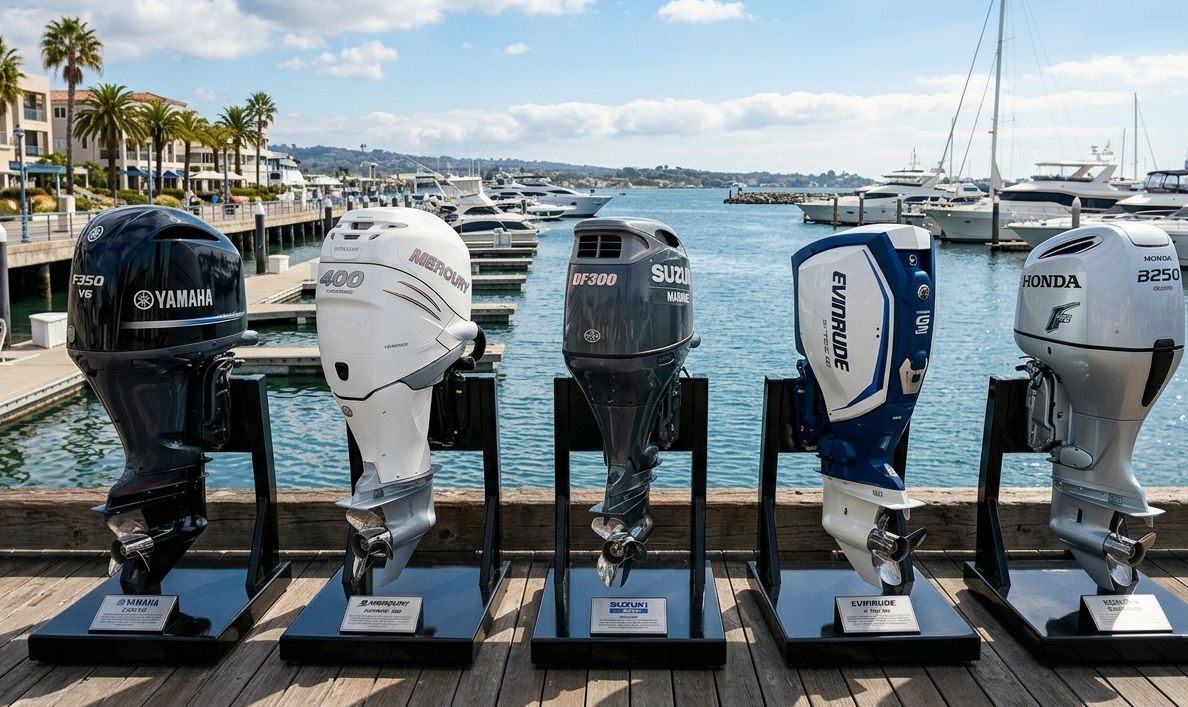
Choosing a 10 hp outboard can give smaller boats a useful balance of power, fuel efficiency and portability. However, the right engine depends on your boat size, hull design, intended use and operating conditions. Therefore, buyers should compare key specifications before making a purchase.
A 10 hp outboard motor is a popular option for small boats, tenders, fishing boats and inflatable boats. Moreover, this power class can provide enough thrust for many recreational applications without the size and weight of larger engines.
In addition, a 10 hp boat engine can offer practical running costs. Smaller engines generally require less fuel than higher-powered alternatives. Therefore, they can suit boat owners who want dependable performance without unnecessary engine capacity.
However, horsepower alone should not determine your decision. Instead, consider the boat’s recommended engine range, maximum load and intended operating environment.
Before buying a 10 hp outboard engine, check your boat manufacturer’s recommended horsepower range. This step is particularly important because an unsuitable engine can affect handling and overall performance.
Furthermore, consider the total weight of passengers, equipment and fuel. A heavily loaded boat may require different performance characteristics from a lightly loaded tender.
For example, a lightweight inflatable boat may respond differently from a rigid-hull fishing boat. Consequently, the same engine can deliver different results on different hull designs.
Portability is another important factor when comparing a 10 hp outboard motor. Smaller boats often require an engine that can be removed, transported and stored easily.
Therefore, check the engine weight before purchasing. A lighter unit can make launching and storage more convenient. However, buyers should still balance portability against construction, durability and available features.
Additionally, consider whether you need to carry the engine between home and the boat. If so, weight and carrying design can become major purchasing considerations.
Fuel consumption matters when calculating the long-term cost of boat ownership. A well-matched 10 hp outboard can provide an efficient solution for owners who do not need high horsepower.
Nevertheless, actual fuel consumption varies according to several factors. These include boat weight, throttle position, hull design, water conditions and engine condition.
As a result, published fuel figures should be treated as guidance rather than guaranteed real-world consumption. Furthermore, regular maintenance can help an engine maintain efficient operation.
When searching for a 10 hp outboard for sale, buyers should compare more than the advertised price. Instead, evaluate the complete package and the specifications that affect ownership.
First, check whether the engine is new or used. Next, confirm the shaft length, starting system and control configuration. Also, check the manufacturer’s recommended applications.
Moreover, review the seller’s warranty and after-sales support. Reliable outboard engine servicing can be particularly valuable when purchasing an engine for regular use.
Finally, compare delivery arrangements, documentation and available spare parts. These details can make a significant difference to the overall buying experience.
Shaft length is an important specification when choosing a 10 hp outboard engine. The correct option depends primarily on the boat’s transom height.
Therefore, measure the transom carefully before ordering. A shaft that is too short may position the propeller incorrectly. Conversely, an unsuitable long shaft can affect installation and clearance.
For this reason, always follow the boat and engine manufacturer’s recommendations. If you are uncertain, ask an experienced marine dealer before completing your purchase.
Modern 10 hp boat engines can include features designed to improve convenience and usability. Depending on the model, buyers may encounter options such as manual or electric starting, different control systems and varying fuel-system designs.
Additionally, consider the engine’s construction and corrosion protection. This is especially relevant for owners operating in saltwater environments.
Furthermore, examine maintenance requirements before buying. Easy access to service points can simplify routine checks and reduce downtime.
A new 10 hp outboard can provide advantages such as current specifications, manufacturer support and warranty coverage. However, a quality used engine may offer a lower purchase price.
If you are considering a used 10 hp outboard motor, inspect its overall condition carefully. Check the service history, engine hours, cooling system and general appearance.
Additionally, examine the lower unit and propeller for signs of damage. Ask whether the engine has been stored correctly and serviced regularly.
Most importantly, do not choose a used engine solely because it has a low price. Condition, maintenance history and compatibility should remain the priorities.
The best 10 hp outboard is the model that matches your boat and intended use. Therefore, begin by identifying your boat’s recommended horsepower and transom requirements.
Next, consider how you plan to use the engine. A fishing boat may have different requirements from a sailing tender or inflatable boat.
After that, compare engine weight, fuel efficiency, starting system, shaft length and servicing requirements. Also, consider the availability of replacement parts.
Finally, compare the complete ownership cost rather than focusing only on the initial purchase price. A dependable engine with strong support can provide better value over time.
UK buyers should also consider their local boating environment. For instance, frequent coastal use can place greater demands on corrosion protection and maintenance.
Moreover, buyers should understand the documentation supplied with the engine. Keep purchase records, serial-number information and servicing documentation where applicable.
In addition, check current UK requirements that may apply to your particular boat and boating location. Requirements can vary according to the type of vessel and where it is operated.
Regular maintenance can help protect the performance and reliability of a 10 hp outboard engine. Therefore, follow the manufacturer’s recommended service schedule.
After saltwater use, appropriate freshwater flushing can help reduce salt deposits. Additionally, inspect the propeller, cooling system and external components regularly.
Furthermore, check for unusual vibrations, starting problems or changes in engine performance. Early attention can help prevent minor issues from becoming expensive repairs.
Always use the manufacturer’s maintenance instructions and recommended parts and lubricants.
A 10 hp outboard can be an excellent choice for owners of compatible smaller boats. It can provide useful performance while remaining relatively practical for transport and storage.
However, the ideal engine depends on your individual requirements. Consider boat size, load capacity, shaft length, engine weight, intended use and maintenance needs before purchasing.
Ultimately, a good buying decision comes from matching the engine to the boat rather than simply choosing the highest available horsepower. Therefore, compare specifications carefully and purchase from a reputable marine supplier.
Before purchasing a 10 hp outboard for sale, check these points:
Legal disclaimer: Product specifications, boating requirements and regulations can change. Always verify current manufacturer information and applicable UK maritime requirements before purchasing or operating an outboard engine.
